Web Developer

Kristin Marquet – Inspirational and Passionate women of the Year

Kristin Marquet Creative Director & Owner of Marquet Media The Most Iconic Woman Leader Of The Year 2026 Kristin Marquet’s career journey commenced in the bustling streets of New York City, where she dove into public relations and branding, specifically focusing on the fashion industry. This foray into the business world ignited her entrepreneurial spark, leading to the inception of Marquet Media.

Kristin Marquet – Inspirational and Passionate women of the Year Read More »

Tech for Climate: The Intersection of Innovation & Sustainability

Tech for Climate: The Intersection of Innovation & Sustainability

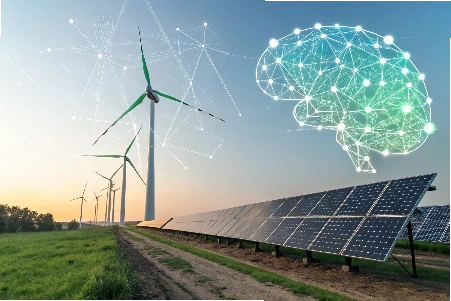
HomeAbout UsBest In ClassNewsMagazineBlogsTech NewsFinance NewsEducation NewsTestimonialContact UsPrivacy PolicyTerms & Condition Tech for Climate: The Intersection of Innovation & Sustainability Reading Time : 7 min As the global race to combat climate change intensifies, technology is emerging as the defining force driving sustainable transformation across industries. From renewable energy advancements to AI-powered environmental monitoring, innovation is no longer just a catalyst for growth—it’s a lifeline for the planet. The intersection of technology and sustainability is reshaping how governments, corporations, and communities tackle the world’s most pressing environmental challenges. Innovation at the Heart of Climate Action Breakthroughs in clean energy, data analytics, and automation are accelerating the transition toward a low-carbon economy. Technologies such as green hydrogen, carbon capture, and smart grids are revolutionizing energy systems, while AI and IoT enable real-time tracking of emissions and resource efficiency. “The climate crisis is a technology challenge—and a technology opportunity,” noted a climate tech strategist at the World Economic Forum. Sustainable Tech Investment on the Rise Venture capital flows into climate tech startups have surged globally, signaling growing investor confidence in the sector’s profitability and purpose. Companies developing solutions in renewable energy storage, circular manufacturing, and carbon-neutral logistics are gaining traction as businesses increasingly prioritize ESG (Environmental, Social, and Governance) mandates. Corporate Responsibility Meets Digital Transformation Major corporations are integrating sustainability into their digital transformation agendas. Cloud providers are committing to carbon-neutral operations, data centers are transitioning to renewable power, and manufacturers are using predictive analytics to minimize waste. Technology is no longer a side tool—it’s becoming the strategic backbone of sustainable business. Balancing Progress with Accountability While innovation drives optimism, experts caution that technology alone cannot solve the climate crisis without responsible governance and inclusive implementation. Access gaps, ethical concerns, and equitable distribution of green technologies must remain central to global climate strategy. The Road Ahead As the world approaches critical climate thresholds, the synergy between innovation and sustainability will define the next phase of global development. Tech for climate is not just about innovation—it’s about stewardship, resilience, and ensuring that progress today secures a sustainable future for generations to come.      Read Also Tech for Climate: The Intersection of Innovation & Sustainability Latin America’s Rising AI Powers: Ranking Emerging Frontiers Debate Over AI Policies in Education: From Guidelines to Governance Generative AI in K-12: Teachers Warn of Growing Inequality AI Infrastructure Gains Spotlight as Core Underpinning India Says It Can Weather Global Economic Challenges HSBC & World Bank Launch $1 Billion Trade Finance Program Net Zero Banking Alliance Collapses Under Political Pressure EU Pushes Banks Toward Climate Goals Despite U.S. Resistance Global Markets Stabilize Amid “Political Noise” Education World Forum Gathers Ministers to Tackle Systemic Challenges Digital Education Council Launches to Steering Global AI in Academia  Global Summit to Shape AI Adoption in Higher Education Institutional AI Policy Deficit: Schools Forge Governance Paths Teachers voice concerns over widening gaps

Tech for Climate: The Intersection of Innovation & Sustainability Read More »

Latin America’s Rising AI Powers: Ranking Emerging Frontiers

Latin America’s Rising AI Powers: Ranking Emerging Frontiers

HomeAbout UsBest In ClassNewsMagazineBlogsTech NewsFinance NewsEducation NewsTestimonialContact UsPrivacy PolicyTerms & Condition Latin America’s Rising AI Powers: Ranking Emerging Frontiers Reading Time : 7 min Latin America is rapidly emerging as one of the most dynamic regions in the global artificial intelligence (AI) landscape. Once considered a peripheral player in the digital economy, the region is now gaining traction with governments, startups, and academic institutions investing heavily in AI research, infrastructure, and innovation ecosystems. From fintech to agriculture, Latin American nations are positioning themselves as the next wave of AI growth markets. Brazil Leads the Regional Charge Brazil continues to dominate Latin America’s AI ecosystem, driven by a robust tech startup scene, public-sector AI strategies, and strong academic partnerships. São Paulo’s thriving innovation districts and government-led AI initiatives have made it the region’s de facto AI capital. The country’s emphasis on ethical governance and data regulation is also setting a precedent for responsible AI development. Mexico and Chile Emerge as Key Contenders Mexico’s strategic integration of AI into manufacturing, logistics, and urban development is accelerating its digital competitiveness. Meanwhile, Chile is gaining attention for its AI-driven sustainability programs and public-private collaborations aimed at improving energy efficiency and climate resilience. Both nations are leveraging AI to enhance productivity and policy efficiency across multiple sectors. Colombia, Argentina, and Peru Build Momentum Colombia’s growing AI community, supported by international partnerships and strong university-led initiatives, is creating a foundation for regional innovation. Argentina, with its focus on AI in healthtech and finance, is strengthening its research networks, while Peru is making steady progress through education reforms and digital transformation policies. Challenges and Opportunities Ahead Despite promising momentum, Latin America still faces structural challenges such as limited infrastructure investment, talent shortages, and fragmented regulatory frameworks. However, the region’s youthful population, expanding digital inclusion, and increasing venture capital interest provide a strong platform for sustained AI growth. The Road to Global Recognition As Latin America’s AI frontiers mature, regional collaboration and policy alignment will be crucial to scaling innovation. With strategic investment and governance, the region could soon transition from an emerging AI market to a global innovation powerhouse—redefining the geography of artificial intelligence in the coming decade. Read Also Tech for Climate: The Intersection of Innovation & Sustainability Latin America’s Rising AI Powers: Ranking Emerging Frontiers Debate Over AI Policies in Education: From Guidelines to Governance Generative AI in K-12: Teachers Warn of Growing Inequality AI Infrastructure Gains Spotlight as Core Underpinning India Says It Can Weather Global Economic Challenges HSBC & World Bank Launch $1 Billion Trade Finance Program Net Zero Banking Alliance Collapses Under Political Pressure EU Pushes Banks Toward Climate Goals Despite U.S. Resistance Global Markets Stabilize Amid “Political Noise” Education World Forum Gathers Ministers to Tackle Systemic Challenges Digital Education Council Launches to Steering Global AI in Academia  Global Summit to Shape AI Adoption in Higher Education Institutional AI Policy Deficit: Schools Forge Governance Paths Teachers voice concerns over widening gaps

Latin America’s Rising AI Powers: Ranking Emerging Frontiers Read More »

Debate Over AI Policies in Education: From Guidelines to Governance

Debate Over AI Policies in Education: From Guidelines to Governance

HomeAbout UsBest In ClassNewsMagazineBlogsTech NewsFinance NewsEducation NewsTestimonialContact UsPrivacy PolicyTerms & Condition Debate Over AI Policies in Education: From Guidelines to Governance Reading Time : 6 min A global debate is intensifying over how artificial intelligence (AI) should be regulated within education systems, as schools and universities grapple with the rapid adoption of AI-driven tools. While many countries have issued preliminary guidelines, experts argue that the next critical step is moving toward comprehensive governance frameworks that ensure responsible, equitable, and transparent use of AI in learning environments. From Classroom Innovation to Policy Imperative The growing integration of AI—ranging from personalized learning platforms to automated grading systems—has transformed educational practices worldwide. However, this technological leap has also outpaced policy development. Educators and administrators warn that without structured governance, institutions risk inconsistent implementation, data misuse, and potential bias in algorithmic decision-making. Global Divide in Policy Readiness Some regions, including the European Union and parts of Asia, are advancing national strategies to embed AI ethics and accountability into education. Meanwhile, other nations remain in the early stages, issuing only advisory guidelines. “The challenge isn’t just adopting AI—it’s building a governance culture around it,” said a policy researcher from the OECD. Balancing Innovation with Safeguards Institutions are caught between enthusiasm for innovation and the need for oversight. Teachers’ unions and academic leaders are calling for stronger policies on student data protection, transparency in AI tool selection, and professional development for educators to use AI effectively and ethically. Toward a Global Governance Framework As the debate evolves, international organizations are pushing for collaborative approaches that bridge policy gaps and promote ethical standards. Experts emphasize that AI in education should enhance—not replace—human judgment. The transition from informal guidelines to formal governance marks a defining moment for global education systems striving to align technology with trust, equity, and accountability.      Read Also Tech for Climate: The Intersection of Innovation & Sustainability Latin America’s Rising AI Powers: Ranking Emerging Frontiers Debate Over AI Policies in Education: From Guidelines to Governance Generative AI in K-12: Teachers Warn of Growing Inequality AI Infrastructure Gains Spotlight as Core Underpinning India Says It Can Weather Global Economic Challenges HSBC & World Bank Launch $1 Billion Trade Finance Program Net Zero Banking Alliance Collapses Under Political Pressure EU Pushes Banks Toward Climate Goals Despite U.S. Resistance Global Markets Stabilize Amid “Political Noise” Education World Forum Gathers Ministers to Tackle Systemic Challenges Digital Education Council Launches to Steering Global AI in Academia  Global Summit to Shape AI Adoption in Higher Education Institutional AI Policy Deficit: Schools Forge Governance Paths Teachers voice concerns over widening gaps

Debate Over AI Policies in Education: From Guidelines to Governance Read More »

Generative AI in K-12: Teachers Warn of Growing Inequality

Generative AI in K-12: Teachers Warn of Growing Inequality

HomeAbout UsBest In ClassNewsMagazineBlogsTech NewsFinance NewsEducation NewsTestimonialContact UsPrivacy PolicyTerms & Condition Generative AI in K-12: Teachers Warn of Growing Inequality Reading Time : 7 min As generative AI tools make their way into classrooms, educators are sounding the alarm over widening inequities in K–12 education. While the technology promises personalized learning, creativity, and efficiency, teachers warn that unequal access, lack of clear policies, and varying digital literacy levels could deepen existing educational divides. A Digital Divide in the Age of AI In well-resourced schools, students are already using AI to enhance research, writing, and critical thinking skills. However, in underfunded districts, limited device availability and poor internet connectivity have left many students excluded from these new learning tools. Teachers caution that without systemic intervention, AI could reinforce rather than reduce learning disparities. Educators Seek Balance Between Innovation and Equity Teachers and administrators are calling for balanced adoption strategies that prioritize inclusion. “AI can be transformative, but only if every student has equal opportunity to benefit from it,” said a school principal from California. Many educators advocate for government-led initiatives to provide infrastructure, training, and funding to level the playing field. Concerns Over Policy and Oversight A lack of standardized policies governing AI use in schools has also raised concerns. Educators worry about data privacy, academic integrity, and potential misuse of generative tools. Experts argue that comprehensive guidelines are essential to ensure AI supports learning outcomes without compromising ethics or fairness. Toward Inclusive AI Integration Despite challenges, many teachers remain optimistic that, with thoughtful governance and equitable investment, generative AI can enhance creativity, engagement, and accessibility in classrooms. The growing debate underscores a pivotal moment for education—where innovation must be matched with inclusion to ensure that the benefits of AI reach every learner, not just a privileged few. Read Also Tech for Climate: The Intersection of Innovation & Sustainability Latin America’s Rising AI Powers: Ranking Emerging Frontiers Debate Over AI Policies in Education: From Guidelines to Governance Generative AI in K-12: Teachers Warn of Growing Inequality AI Infrastructure Gains Spotlight as Core Underpinning India Says It Can Weather Global Economic Challenges HSBC & World Bank Launch $1 Billion Trade Finance Program Net Zero Banking Alliance Collapses Under Political Pressure EU Pushes Banks Toward Climate Goals Despite U.S. Resistance Global Markets Stabilize Amid “Political Noise” Education World Forum Gathers Ministers to Tackle Systemic Challenges Digital Education Council Launches to Steering Global AI in Academia  Global Summit to Shape AI Adoption in Higher Education Institutional AI Policy Deficit: Schools Forge Governance Paths Teachers voice concerns over widening gaps

Generative AI in K-12: Teachers Warn of Growing Inequality Read More »

AI Infrastructure Gains Spotlight as Core Underpinning

AI Infrastructure Gains Spotlight as Core Underpinning

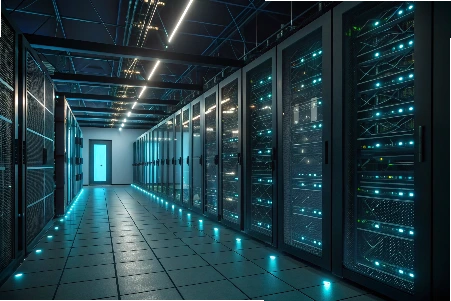
HomeAbout UsBest In ClassNewsMagazineBlogsTech NewsFinance NewsEducation NewsTestimonialContact UsPrivacy PolicyTerms & Condition AI Infrastructure Gains Spotlight as Core Underpinning Reading Time : 5 min Artificial intelligence (AI) infrastructure is rapidly emerging as the foundational pillar of the next wave of digital transformation, drawing heightened attention from governments, enterprises, and investors worldwide. As AI applications scale across industries—from healthcare and finance to manufacturing and education—the demand for powerful, efficient, and sustainable infrastructure has surged to the forefront of strategic priorities. Building the Backbone of the AI Economy The development of advanced AI models increasingly depends on robust computing power, optimized data centers, and high-speed connectivity. Cloud providers, semiconductor giants, and hyperscale data operators are investing heavily in AI-optimized chips, scalable storage systems, and energy-efficient architectures to support the exponential growth in AI workloads. Global Race for AI Infrastructure Leadership Nations are positioning themselves competitively to lead in AI infrastructure development. The United States, China, and members of the European Union are channeling billions into national AI frameworks, while emerging economies are beginning to establish regional AI hubs to attract investment and innovation. “AI infrastructure has become as strategic as energy or defense,” said a senior technology analyst, reflecting the geopolitical importance of this sector. Sustainability and Scalability Take Center Stage With energy demands rising, the industry is turning toward green data centers, advanced cooling systems, and renewable energy integration. Tech firms are also exploring modular and edge computing models to decentralize processing and reduce latency—key for AI applications in autonomous systems and real-time analytics. The Road Ahead As AI becomes deeply embedded in economic and industrial ecosystems, infrastructure will define who leads and who lags in the global technology race. The shift toward intelligent, sustainable, and secure infrastructure marks a decisive evolution—transforming AI from a frontier technology into the backbone of the modern digital economy. Read Also Tech for Climate: The Intersection of Innovation & Sustainability Latin America’s Rising AI Powers: Ranking Emerging Frontiers Debate Over AI Policies in Education: From Guidelines to Governance Generative AI in K-12: Teachers Warn of Growing Inequality AI Infrastructure Gains Spotlight as Core Underpinning India Says It Can Weather Global Economic Challenges HSBC & World Bank Launch $1 Billion Trade Finance Program Net Zero Banking Alliance Collapses Under Political Pressure EU Pushes Banks Toward Climate Goals Despite U.S. Resistance Global Markets Stabilize Amid “Political Noise” Education World Forum Gathers Ministers to Tackle Systemic Challenges Digital Education Council Launches to Steering Global AI in Academia  Global Summit to Shape AI Adoption in Higher Education Institutional AI Policy Deficit: Schools Forge Governance Paths Teachers voice concerns over widening gaps
AI Infrastructure Gains Spotlight as Core Underpinning Read More »

India Says It Can Weather Global Economic Challenges

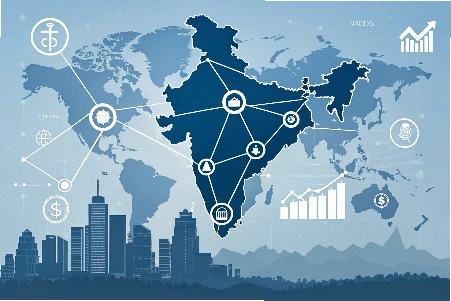
HomeAbout UsBest In ClassNewsMagazineBlogsTech NewsFinance NewsEducation NewsTestimonialContact UsPrivacy PolicyTerms & Condition India Says It Can Weather Global Economic Challenges Reading Time : 7 min India’s government has expressed strong confidence in its ability to withstand global economic headwinds, citing robust domestic demand, fiscal discipline, and steady foreign investment inflows as key pillars of resilience. Despite concerns over slowing global growth, geopolitical tensions, and fluctuating commodity prices, policymakers maintain that India’s economic fundamentals remain sound and future-ready. Resilient Growth Amid Global Uncertainty According to the Ministry of Finance, India’s economy continues to outpace most major economies, supported by strong industrial output, stable inflation control, and expanding digital and service sectors. Economists highlight that India’s diversified growth model—driven by manufacturing, infrastructure, and innovation—provides a buffer against external shocks. Government’s Strategic Focus on Stability Officials emphasized continued focus on fiscal prudence and targeted capital expenditure to sustain momentum. “India’s growth is built on structural reforms, not short-term stimulus,” said a senior finance ministry official, noting the country’s commitment to maintaining macroeconomic stability while fostering investment-friendly conditions. Private Sector and Foreign Investment Confidence Investor sentiment remains upbeat, with multinational corporations continuing to view India as a high-potential market amid global supply chain realignments. The government’s emphasis on ease of doing business, coupled with rising digitalization and renewable energy initiatives, has further strengthened its long-term appeal. Looking Ahead While acknowledging global risks—from energy volatility to monetary tightening in advanced economies—India projects continued economic expansion driven by domestic consumption and sustained public investment. As the world navigates uncertainty, India positions itself not just as a resilient player, but as a rising engine of stability in the global economy. Read Also Tech for Climate: The Intersection of Innovation & Sustainability Latin America’s Rising AI Powers: Ranking Emerging Frontiers Debate Over AI Policies in Education: From Guidelines to Governance Generative AI in K-12: Teachers Warn of Growing Inequality AI Infrastructure Gains Spotlight as Core Underpinning India Says It Can Weather Global Economic Challenges HSBC & World Bank Launch $1 Billion Trade Finance Program Net Zero Banking Alliance Collapses Under Political Pressure EU Pushes Banks Toward Climate Goals Despite U.S. Resistance Global Markets Stabilize Amid “Political Noise” Education World Forum Gathers Ministers to Tackle Systemic Challenges Digital Education Council Launches to Steering Global AI in Academia  Global Summit to Shape AI Adoption in Higher Education Institutional AI Policy Deficit: Schools Forge Governance Paths Teachers voice concerns over widening gaps

India Says It Can Weather Global Economic Challenges Read More »

HSBC & World Bank Launch $1 Billion Trade Finance Program

HomeAbout UsBest In ClassNewsMagazineBlogsTech NewsFinance NewsEducation NewsTestimonialContact UsPrivacy PolicyTerms & Condition HSBC & World Bank Launch $1 Billion Trade Finance Program Reading Time : 5 min In a major move to strengthen global trade and support small and medium-sized enterprises (SMEs), HSBC and the World Bank have launched a $1 billion trade finance program aimed at boosting liquidity and accelerating economic growth across emerging markets. The initiative marks one of the most significant collaborations between a global bank and a multilateral institution in recent years. Boosting Global Trade Resilience The program seeks to address persistent trade financing gaps that hinder SMEs from participating in international commerce. Amid ongoing supply chain disruptions and tightening credit conditions, the partnership will provide vital financial instruments and guarantees to help businesses maintain operations and expand exports. A Public-Private Alliance for Growth By combining HSBC’s global financial expertise with the World Bank’s developmental mandate, the initiative aims to deliver both economic impact and long-term sustainability. “This collaboration is designed to empower businesses that form the backbone of global trade,” said a World Bank spokesperson, emphasizing the program’s commitment to inclusive growth. Empowering Emerging Economies The initiative will prioritize funding for businesses in developing regions across Asia, Africa, and Latin America—markets that often face limited access to affordable credit. The program also encourages environmentally responsible practices, aligning with broader global sustainability goals. Setting a New Standard for Development Finance Analysts view the HSBC–World Bank partnership as a forward-looking blueprint for modern trade finance—one that merges profitability with purpose. As global trade networks continue to evolve, this $1 billion program underscores a shared vision: building a more resilient, inclusive, and sustainable global economy. Read Also Tech for Climate: The Intersection of Innovation & Sustainability Latin America’s Rising AI Powers: Ranking Emerging Frontiers Debate Over AI Policies in Education: From Guidelines to Governance Generative AI in K-12: Teachers Warn of Growing Inequality AI Infrastructure Gains Spotlight as Core Underpinning India Says It Can Weather Global Economic Challenges HSBC & World Bank Launch $1 Billion Trade Finance Program Net Zero Banking Alliance Collapses Under Political Pressure EU Pushes Banks Toward Climate Goals Despite U.S. Resistance Global Markets Stabilize Amid “Political Noise” Education World Forum Gathers Ministers to Tackle Systemic Challenges Digital Education Council Launches to Steering Global AI in Academia  Global Summit to Shape AI Adoption in Higher Education Institutional AI Policy Deficit: Schools Forge Governance Paths Teachers voice concerns over widening gaps

HSBC & World Bank Launch $1 Billion Trade Finance Program Read More »

Subscribe To Our Newsletter